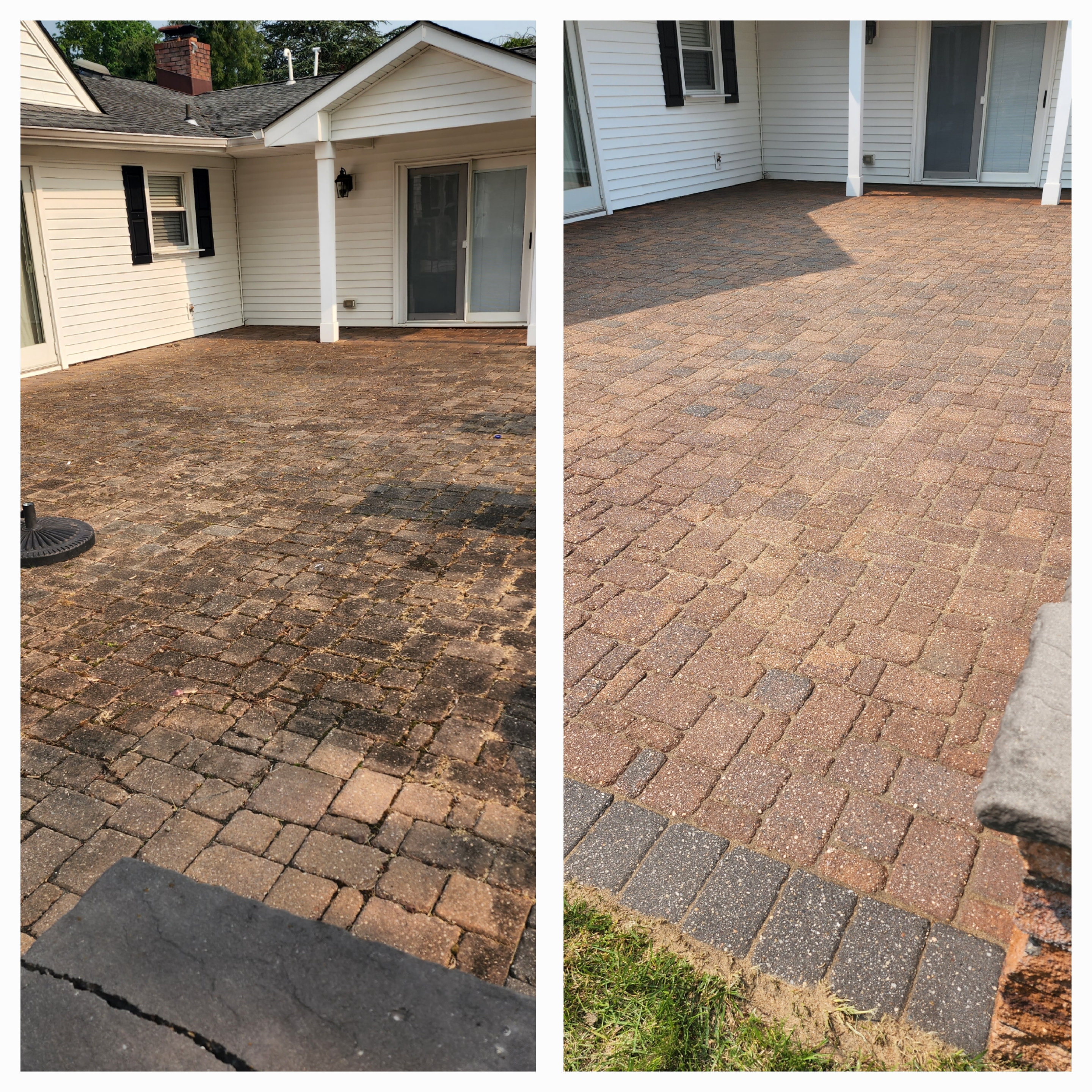
Choosing the right pavers for your driveway is a decision that will affect your home's curb appeal and functionality for decades. Unlike patios and walkways, driveways must withstand the weight of vehicles, making material selection and installation quality critical.
Thickness Matters: Driveway pavers must be at least 60mm (approximately 2.5 inches) thick to handle vehicular traffic. Standard patio pavers are typically 40-50mm thick and will crack under the weight of cars and trucks. Always ensure your contractor uses pavers specifically rated for driveway applications.
Material Options: Concrete pavers are the most popular choice for driveways due to their strength, durability, and wide variety of colors and patterns. They are manufactured to strict specifications and offer consistent quality. Natural stone pavers like granite and bluestone provide a premium look but come at a higher cost.
Pattern Selection: The pattern in which pavers are laid affects both aesthetics and structural performance. Herringbone patterns (45-degree and 90-degree) provide the best interlock and are recommended for driveways because they resist the lateral forces created by turning vehicles. Running bond and basket weave patterns are also suitable options.
Base Preparation is Critical: A driveway requires a deeper excavation and more substantial base than a patio. Typically, 10-12 inches of compacted base material is needed for a driveway, compared to 6-8 inches for a walkway. Cutting corners on base preparation is the number one cause of driveway paver failure.
Color Considerations: When selecting colors, consider your home's exterior, the surrounding landscape, and maintenance preferences. Lighter colors show stains more readily but reflect heat, while darker colors hide stains better but absorb more heat. Multi-colored blends tend to hide stains and imperfections better than solid colors.
Edge Restraints: Proper edge restraints are essential for driveways to prevent pavers from shifting under the stress of vehicle traffic. Heavy-duty aluminum or concrete edge restraints should be used, secured with adequate spikes. Plastic restraints are generally not sufficient for driveway applications.
If you are considering a new paver driveway, we recommend consulting with a certified professional installer who can assess your specific needs and ensure a lasting, beautiful result. Contact NJ Paver Restorations for a free consultation and estimate.